Timothy Treadwell Net Worth: A Misleading Question
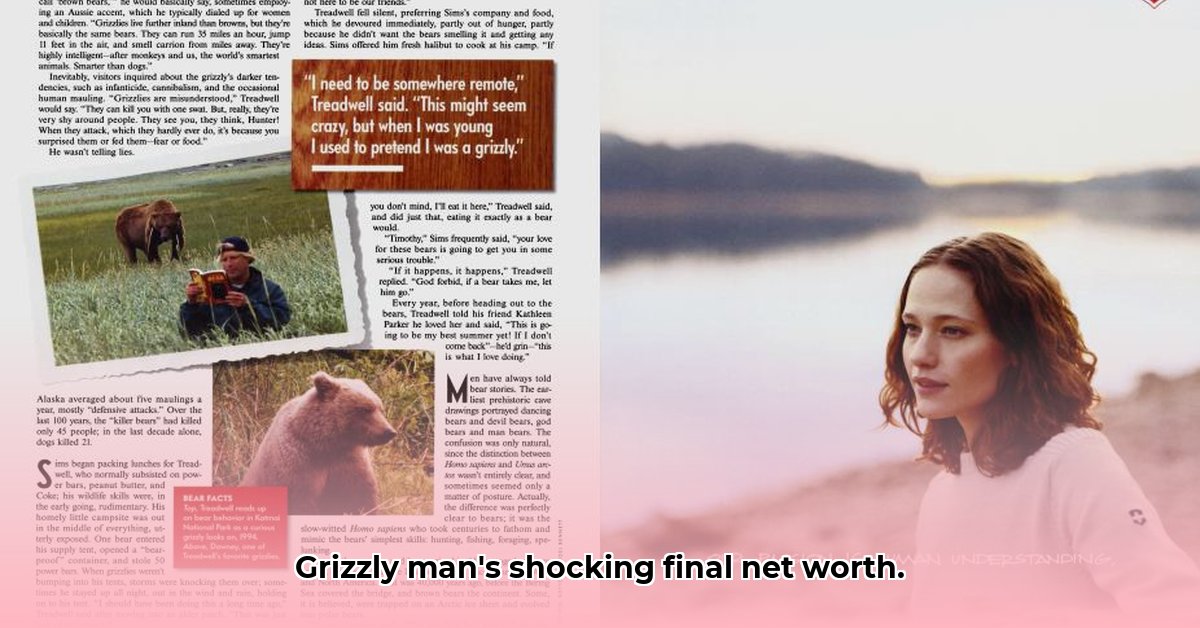
What was Timothy Treadwell's net worth? The answer, in simple terms, is likely negligible. His life's work centered not on accumulating wealth, but on an unwavering, albeit controversial, dedication to grizzly bear conservation. Focusing solely on his financial status ignores the far more compelling and cautionary narrative of his life, his methods, and his tragic demise. This article delves into the complexities of his legacy, examining his passion, his approach, and the profound lessons learned from his story.
A Man Among Bears: Treadwell's Years in Katmai National Park
For over a decade, Timothy Treadwell immersed himself in the world of Alaskan grizzly bears within Katmai National Park. His profound commitment led him to spend months each year living amongst these majestic creatures, filming their lives and advocating for their protection through his organization, Grizzly People. His footage, undeniably breathtaking, offered unprecedented intimacy with the bears' natural behaviors. However, his methods, characterized by exceptionally close proximity and an unconventional approach, ignited significant debate among conservationists and park officials.
Did his intense immersion truly foster understanding, or did it unintentionally alter the bears' behavior and disrupt their natural ecosystem? This question remains central to the multifaceted legacy he left behind. His films depicted a seemingly harmonious coexistence, raising the crucial question: did his idealized portrayal fully reflect the reality of the risks inherent in his approach?
The Risks of Intimacy: Anthropomorphism and the Dangers of Close Encounters
Treadwell's unorthodox methodology involved prolonged close-range interactions with grizzlies, often during critical feeding periods, thereby disregarding established safety protocols. He believed that fostering a personal "relationship" minimized danger, cultivating trust and mutual respect. However, this perspective, heavily influenced by anthropomorphism – the attribution of human characteristics to animals – is now widely considered critically flawed and potentially dangerous.
While his passion for conservation is undeniable, the question arises: did this passion eclipse a crucial awareness of the inherent risks involved? Was his approach truly effective, or did it ultimately obfuscate the wild, unpredictable nature of grizzly bears? Some experts argue his actions demonstrated an idealistic––and ultimately fatal––misunderstanding of the animal's behavioral unpredictability.
The Unfolding Tragedy: A Heartbreaking End to a Dedicated Life
The tragic events of 2003, resulting in the deaths of Treadwell and his girlfriend Amie Huguenard at the claws of a grizzly bear, serve as a stark reminder of the inherent dangers of prolonged, close-range encounters with apex predators. This tragic ending starkly contrasted the idyllic image Treadwell often projected. The consequences sparked fervent debate. Critics condemned his methods, emphasizing the potential danger not only to himself but also to the bears he sought to protect; supporters, conversely, highlighted his unwavering commitment to conservation and his profound love for these magnificent creatures.
The aftermath triggered significant changes in park regulations and policies regarding human-wildlife interaction, underscoring the vital importance of establishing and adhering to strict safety protocols within vulnerable ecosystems.
Treadwell's Enduring Impact: A Complex and Cautionary Legacy
Treadwell's story extends beyond a simple narrative of personal tragedy. It serves as a multifaceted cautionary tale encompassing the ethical dimensions of conservation, the unpredictable nature of wildlife, and the delicate balance between human admiration and the untamed world. His life and death ignited pivotal discussions around safe approaches to wildlife interactions, prompting a reevaluation of established practices and heightened awareness concerning the risks of anthropomorphism.
His impact remains complex and often contradictory. While his films continue to fascinate and his dedication is admired, his methods raise serious questions about irresponsible behavior and the importance of respecting the wildness of these apex predators. His legacy is a nuanced blend of inspiration and stark warning, prompting continued debate about the ethical responsibilities of human interaction with wildlife.
Safe Grizzly Bear Observation: Lessons from Tragedy
Timothy Treadwell's story, while tragic, imparts crucial lessons on responsible wildlife observation. His life and death highlight the need for a proactive and respectful approach to encounters with powerful predators. Following established safety guidelines can make all the difference between a safe observation and a catastrophic event. Remember, respecting the wildness of these animals is key to minimizing risk and ensuring both human and animal safety.
Key Principles for Responsible Wildlife Viewing:
- Prioritize Safety: Your safety and the well-being of the animals must always be paramount.
- Maintain Distance: Always follow established guidelines for safe viewing distances.
- Group Viewing: Observe animals in groups for increased safety.
- Use Appropriate Equipment: Invest in binoculars and telephoto lenses to observe from a distance.
- Respect Natural Behavior: Avoid interfering with natural behaviors or creating artificial interactions.
- Heed Warnings: Pay careful attention to any posted warnings or guidelines from park officials.
These standards ensure safe and respectful encounters, preventing similar tragedies and preserving the integrity of the natural world. Treadwell's tale serves as a potent reminder that our passion for wildlife must never compromise the essential principles of safety and responsibility.